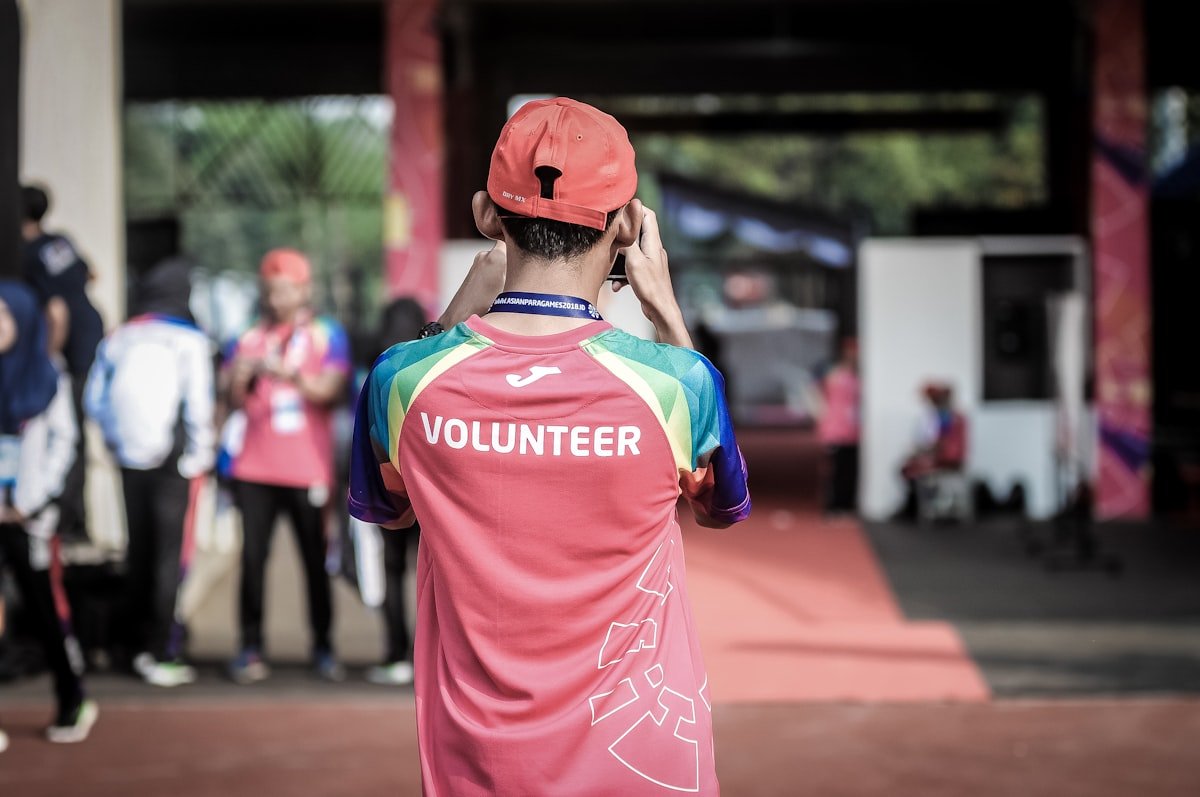
There is a curious paradox at the heart of volunteering: the people who give their time to others consistently end up richer — in health, in wellbeing, in social connection and, according to some research, even in how long they live. The economics of generosity, it turns out, are peculiar. Giving time away does not leave you with less of it. It leaves you, over time, with more.
This is not a motivational claim or an abstract ethical point. It is one of the most consistently replicated findings in the psychology of wellbeing and social science. Across dozens of studies and many different cultural contexts, regular volunteering is associated with higher life satisfaction, lower rates of depression, reduced risk of cardiovascular disease, and measurable cognitive protection in older adults. The effect sizes are not trivial. In some studies, they are comparable to the effects of regular exercise.
The Neuroscience of Giving
The neurological mechanisms behind volunteering's benefits are becoming increasingly well understood. When we act in ways that benefit others — when we help, give, support or contribute — we activate the brain's reward circuitry in ways that are strikingly similar to the effects of receiving something pleasurable. Neuroimaging studies have shown that charitable giving activates the nucleus accumbens (the brain's primary reward centre), the caudate nucleus and the prefrontal cortex — producing a pattern of neural activity associated with satisfaction and positive emotion.
"The best thing I've done for my own mental health was to start showing up for someone else's."
The Social Connection Mechanism
Part of the explanation for volunteering's benefits is simply social connection. Volunteers regularly interact with other people, in contexts structured around a shared purpose rather than mere proximity. This creates conditions for genuine relationships — based on common values and collaborative activity — that are qualitatively different from the acquaintances formed through work or neighbourhood.
Social isolation is now recognised as one of the strongest risk factors for poor mental and physical health — comparable, according to some researchers, to smoking fifteen cigarettes a day in terms of its impact on longevity. Volunteering directly addresses this risk by placing people in consistent, purposeful contact with others. For retired people, for those who have moved to new areas, and for those recovering from illness or loss, the social fabric of volunteering can be genuinely life-saving.

Why Volunteer Numbers Are Falling
Against this compelling evidence, the trend in British volunteering is concerning. Regular volunteering rates have been declining steadily for over a decade, accelerated by the pandemic and not fully recovered. The NCVO's 2023 UK Civil Society Almanac found that only around twenty-seven per cent of adults volunteer formally at least once a month — down from over thirty per cent a decade ago.
The reasons are multiple. Time pressure — or at least the perception of time pressure — is consistently cited by non-volunteers. The way many volunteering opportunities are structured, with rigid time commitments and extensive bureaucratic requirements (safeguarding training, DBS checks, induction processes), can make getting started feel disproportionately onerous. Younger adults, in particular, tend to prefer flexible, project-based involvement over ongoing weekly commitments.
Making It Easier to Give
The organisations adapting to these realities are seeing better recruitment and retention. Micro-volunteering — small, discrete tasks that can be done remotely or in short time slots — has grown significantly. Skills-based volunteering, in which professionals offer expertise (legal advice, financial guidance, digital skills) rather than simply time, is attractive to people who want their contribution to be meaningful. Online mentoring, telephone befriending and remote administrative support have expanded the range of ways people can contribute without the commitment of a regular physical presence.
The evidence for the benefits of volunteering is strong enough to justify thinking about how to make it a more normal part of British life — for schools, for workplaces, for healthcare providers who currently under-utilise social prescribing. There are few interventions with a better evidence base for wellbeing, community health and social cohesion. The question is not whether it works. It is whether we are organised well enough to help more people experience it.