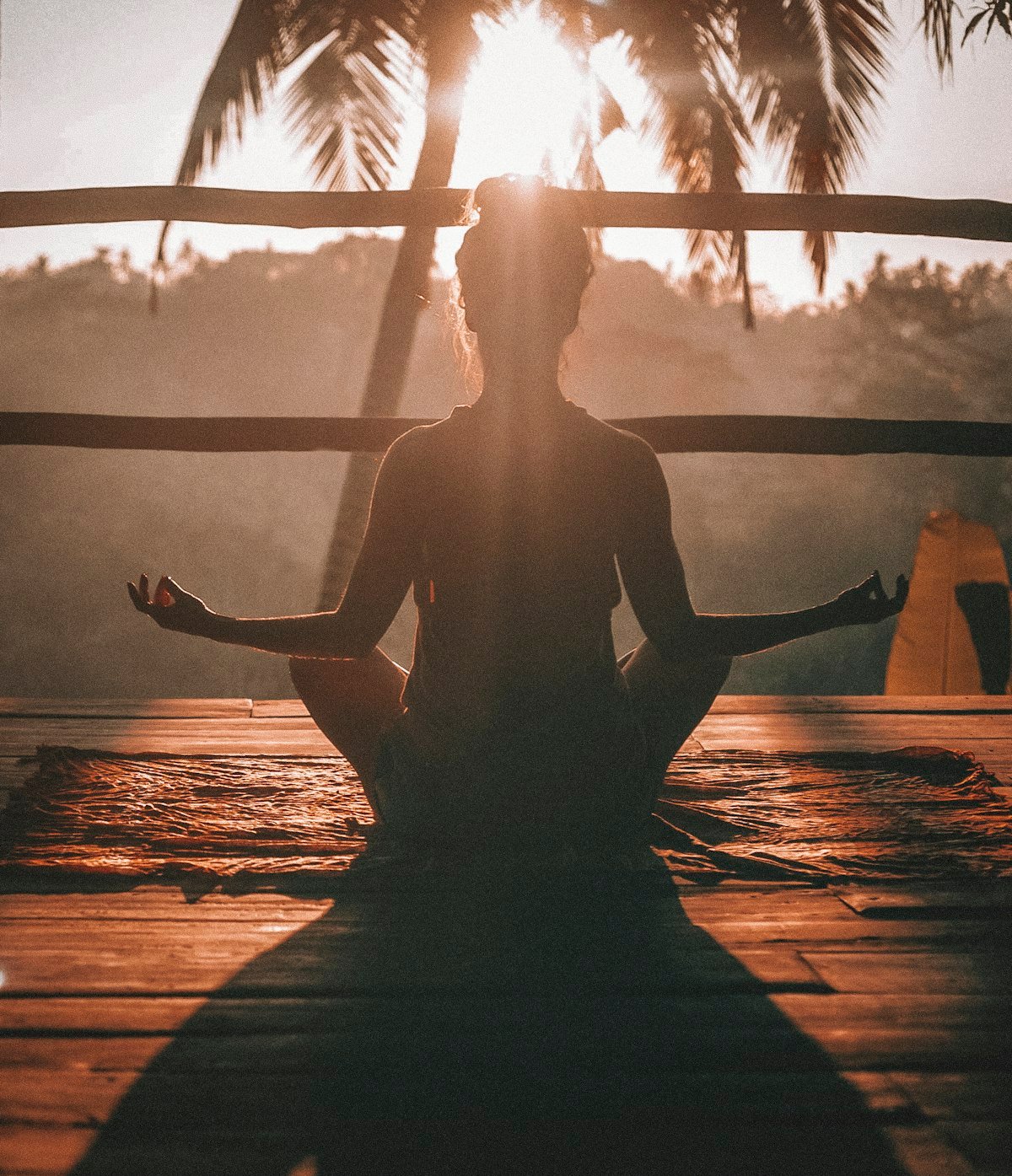
Somewhere around 2020, a quiet but significant cultural shift became visible. It was not a single event or a coordinated movement — more a pattern of individual choices that began to accumulate into something recognisable. People were resigning from jobs they could technically afford to keep. Declining social engagements they had the time for but not the energy. Choosing smaller lives — geographically, professionally, socially — and describing the experience not as failure or retreat but as relief.
Slow living, as the movement is broadly called, is not new. The Slow Food movement began in Italy in the 1980s as a response to fast food chains. The concept of voluntary simplicity has roots in Thoreau and the Quaker tradition. Carl Honoré's 2004 book In Praise of Slowness gave the broader idea a popular audience. But something about the convergence of the pandemic, the mental health crisis and the growing discourse about burnout has given it new urgency and a much larger following.
What Slow Living Actually Means
Slow living is not primarily about going slowly. It is about deliberateness — choosing what to include in your life based on what genuinely matters rather than what is expected, available or simply inertia-driven. It is a rejection of the assumption that busier is better, that more activities, more achievements, more productivity is always the goal.
In practice, this takes many forms. For some people it is a dramatic change: leaving a high-pressure career, moving from city to countryside, significantly reducing income in exchange for time. For many more it is incremental: cancelling the commitments that drain without replenishing, learning to say no, protecting time for activities that have no instrumental value — walking, reading, cooking, sitting.
"I stopped trying to optimise every hour. Then I discovered I had time I'd forgotten existed."
The Science of Rest
The case for doing less is, counterintuitively, supported by productivity research. The psychologist K. Anders Ericsson, famous for his work on expertise, found that the most accomplished practitioners in fields including music, chess and sport typically practised intensely for no more than four hours per day — and that rest was not merely an absence of work but an active component of performance. The default mode network — the brain's resting state — is associated with creativity, memory consolidation and the integration of complex information. It requires genuine downtime to function properly.
There is also substantial evidence that chronic busyness impairs decision-making, creativity and emotional regulation. A 2017 study found that executives who took regular vacations were rated by their managers as higher performers than those who did not — not because they were working harder, but because they were thinking more clearly. The cult of busyness, it turns out, is not just bad for wellbeing. It is bad for work.
The Class Dimension
Slow living is not universally available. The ability to do less is a function of economic security — of having enough that you can afford to turn down extra work, enough space that you can create sanctuary at home, enough privilege that you can choose to step back. For workers in precarious employment, in zero-hours contracts, in service industries where pay depends on hours, "choosing" to slow down is not a choice at all.
This class dimension is something that slow living advocates often elide, and it represents a genuine tension at the heart of the movement. The aspiration — to live more deliberately, to value time over money, to prioritise depth over breadth — is both legitimate and widely shared. But the practical ability to act on it is unevenly distributed, and critiques of "hustle culture" that don't acknowledge this can feel disconnected from the realities of most working lives.
Small Acts, Large Effects
Within these constraints, there is still genuine room for most people to make choices that move in the direction of slow living. The research on wellbeing consistently identifies a set of activities that produce disproportionate returns: regular time in nature, genuine rest and sleep, face-to-face social connection, physical activity, time spent in flow states (absorbed in an activity for its own sake). These things require time — but not necessarily much of it, and not necessarily money.
The most modest version of slow living is simply the choice to pay attention: to whatever you are doing, whoever you are with, whatever you are experiencing. Against the background of an attention economy that profits from distraction, that is harder than it sounds. But the returns, measured in satisfaction, presence and wellbeing, appear to be substantial. The evidence suggests that how we spend our time matters as much as how much of it we have.